About Cabo Verde

Geography

Cabo Verde is an archipelago of ten volcanic islands located in the Atlantic Ocean, about 350 miles (560 km) off the west coast of Africa. The islands are divided into two groups: Barlavento (windward) and Sotavento (leeward), each offering distinct landscapes and experiences. From the dramatic mountains and lush valleys of Santo Antão to the white sandy beaches of Sal and Boa Vista, Cabo Verde is known for its natural beauty. With year-round sunshine, warm temperatures, and crystal-clear waters, it is a unique destination shaped by both land and sea.
History
Cabo Verde is an island nation with a rich and resilient history. The islands were colonized by Portuguese explorers around 1460 and quickly became an important hub along transatlantic trade routes. Over time, Cabo Verde developed as a crossroads of cultures, influenced by Africa, Europe, and the wider world. In 1975, the country peacefully gained independence, emerging as a stable democracy and a symbol of resilience. Today, its history reflects a powerful story of identity, freedom, and deep connection to the ocean.

People, Culture, Food & Languages
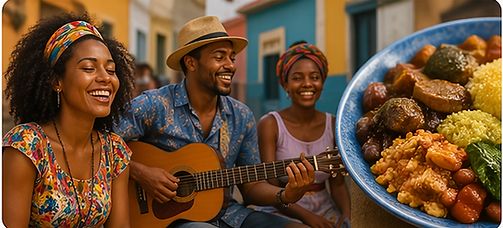
Cabo Verde is defined by its people, a vibrant blend of African and Portuguese heritage. Cabo Verdeans are known for their warmth, hospitality, and strong sense of identity. Music is at the heart of the culture, with genres like morna, coladeira, and funaná expressing stories of love, migration, and life by the sea.
The cuisine reflects the islands’ history and environment, featuring fresh seafood, tropical ingredients, and traditional dishes like cachupa, the national dish. Portuguese is the official language, while Cabo Verdean Creole (Kriolu) is spoken by everyone and remains a powerful expression of cultural identity.